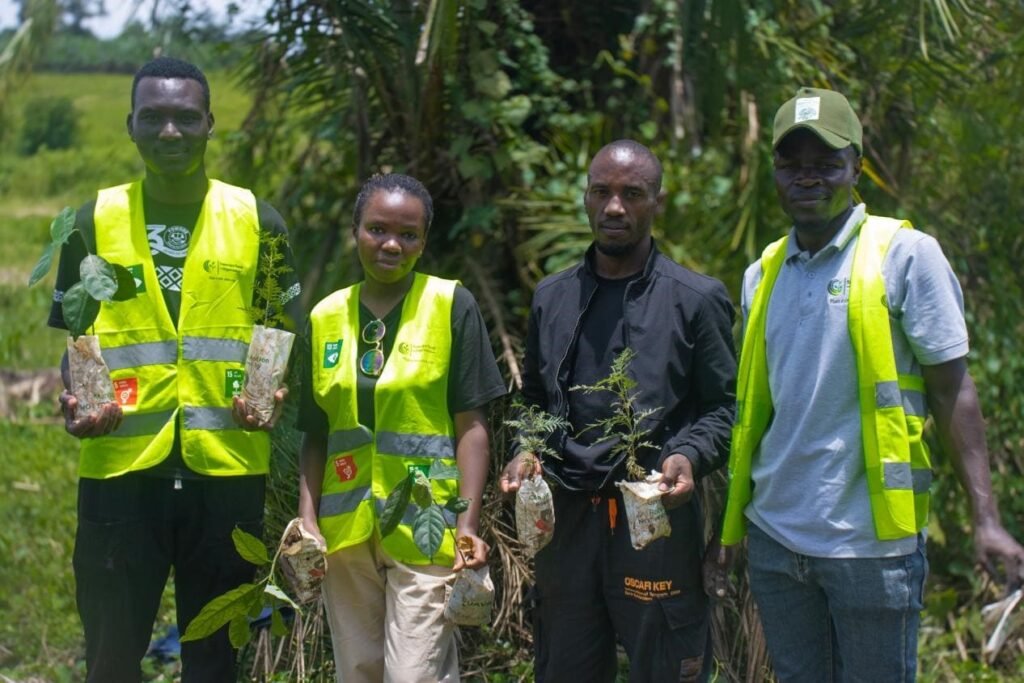
Treescape Planet Organization is implementing a 2,000-tree restoration project in partnership with CO2Balance, supporting climate action through tree planting, agroforestry and community-based restoration in Uganda.
The project combines environmental restoration with productive land use, with a focus on establishing trees that can provide long-term ecological and livelihood benefits to participating landholders.
The initiative forms part of Treescape’s commitment to creating practical climate solutions that connect tree growing, community participation and sustainable land management.
What We Are Planting
The project includes a combination of:
Fruit trees form an important part of the planting mix, providing both environmental and potential livelihood benefits to participating landholders.
The project includes species such as:
The project also incorporates indigenous and native tree species to strengthen biodiversity and support the restoration of locally appropriate vegetation. These include for example:
These trees contribute to:
Using locally appropriate species also helps ensure that restoration is connected to the ecological character of each landscape.
Agroforestry species are incorporated to support landscapes where trees and productive agriculture can exist together. These are particularly useful on farms because they can provide shade, biomass, soil improvement, fodder, fuelwood or other benefits: Examples include:
These trees can contribute to:
More Than Tree Planting
Treescape’s approach focuses on establishing trees that communities can continue to care for and benefit from.
By integrating fruit and agroforestry species with indigenous trees, the project supports multiple outcomes, including:
🌱 Landscape restoration
Improving tree cover and ecological health.
🌳 Biodiversity
Supporting more diverse and resilient landscapes.
🌍 Climate action
Contributing to long-term carbon sequestration as trees grow.
👩🏾🌾 Community livelihoods
Supporting productive land use through fruit and agroforestry trees.
💚 Sustainable land management
Encouraging land-use practices that balance environmental and community needs.
Our Approach
Treescape Planet Organization supports the project through site preparation, seedling establishment, planting, community engagement, monitoring and documentation.
Follow-up monitoring will help track tree survival and growth while providing an opportunity to identify areas requiring additional support.
Building Long-Term Impact
The CO2Balance partnership reflects Treescape’s belief that successful restoration requires more than putting seedlings in the ground.
It requires appropriate species, engaged communities, ongoing care and monitoring.
Through this project, Treescape is working with CO2Balance and participating landholders to establish trees that can continue delivering environmental and community benefits for years to come.
2,000 Trees. Growing Climate Action.
Plant a Tree; Plant a Life.